
Cardiomyopathy
What is Cardiomyopathy?
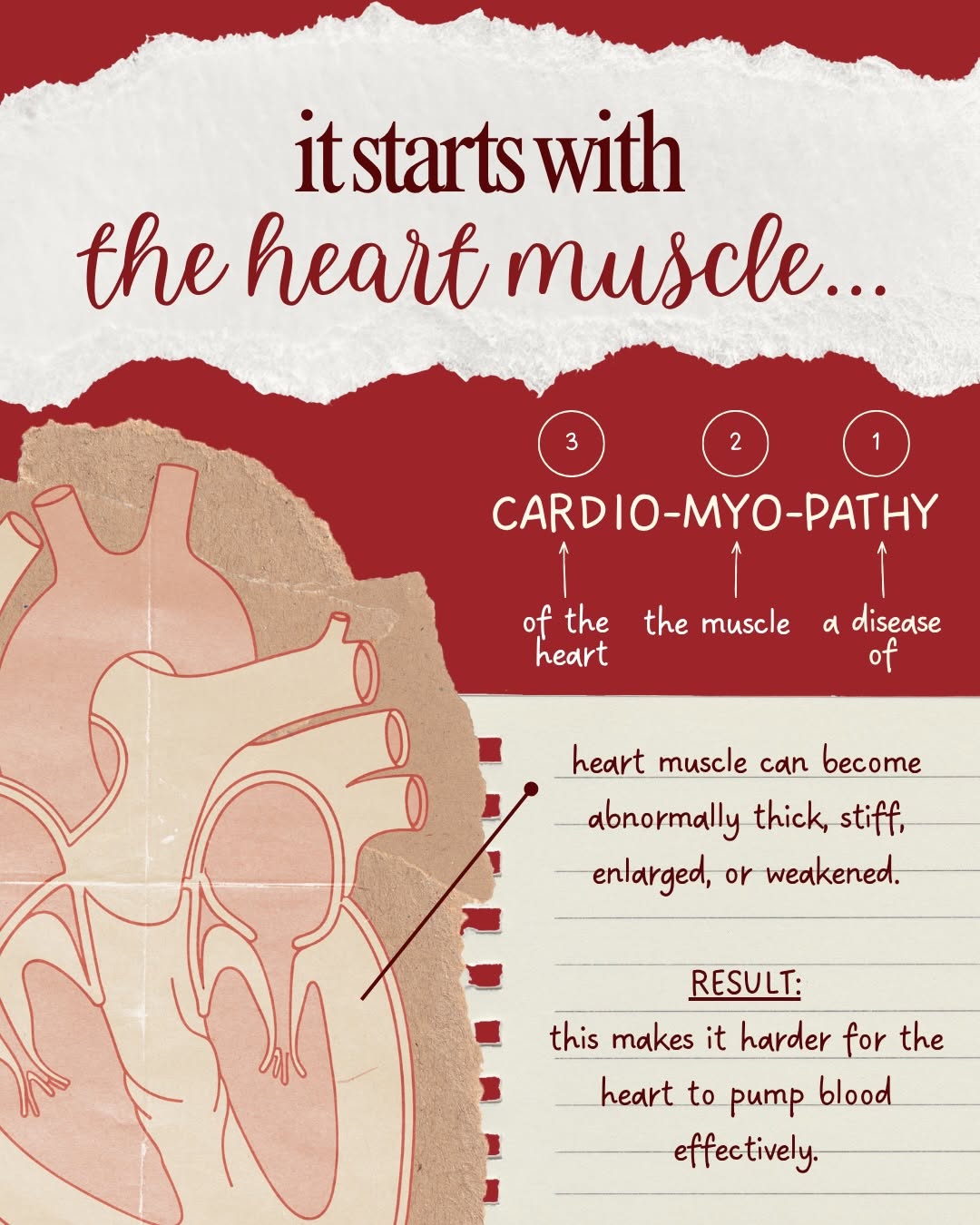
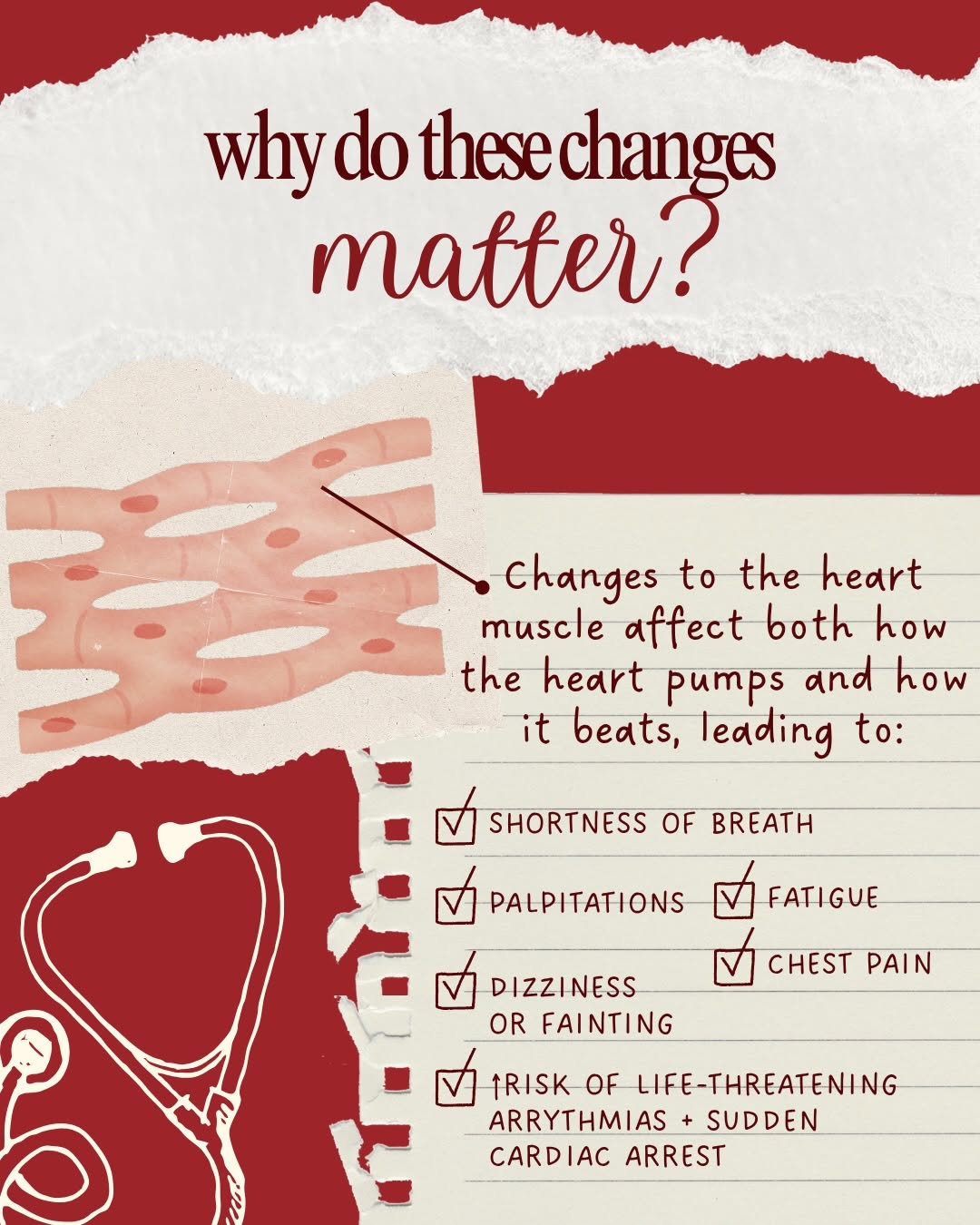
Cardiomyopathy is a disease of the heart muscle. It changes the way the heart is built or how it works, making it harder for the heart to pump blood around the body. If left untreated, cardiomyopathy can increase the risk of heart failure, abnormal heart rhythms (arrhythmias), blood clots, stroke, or sudden cardiac arrest.
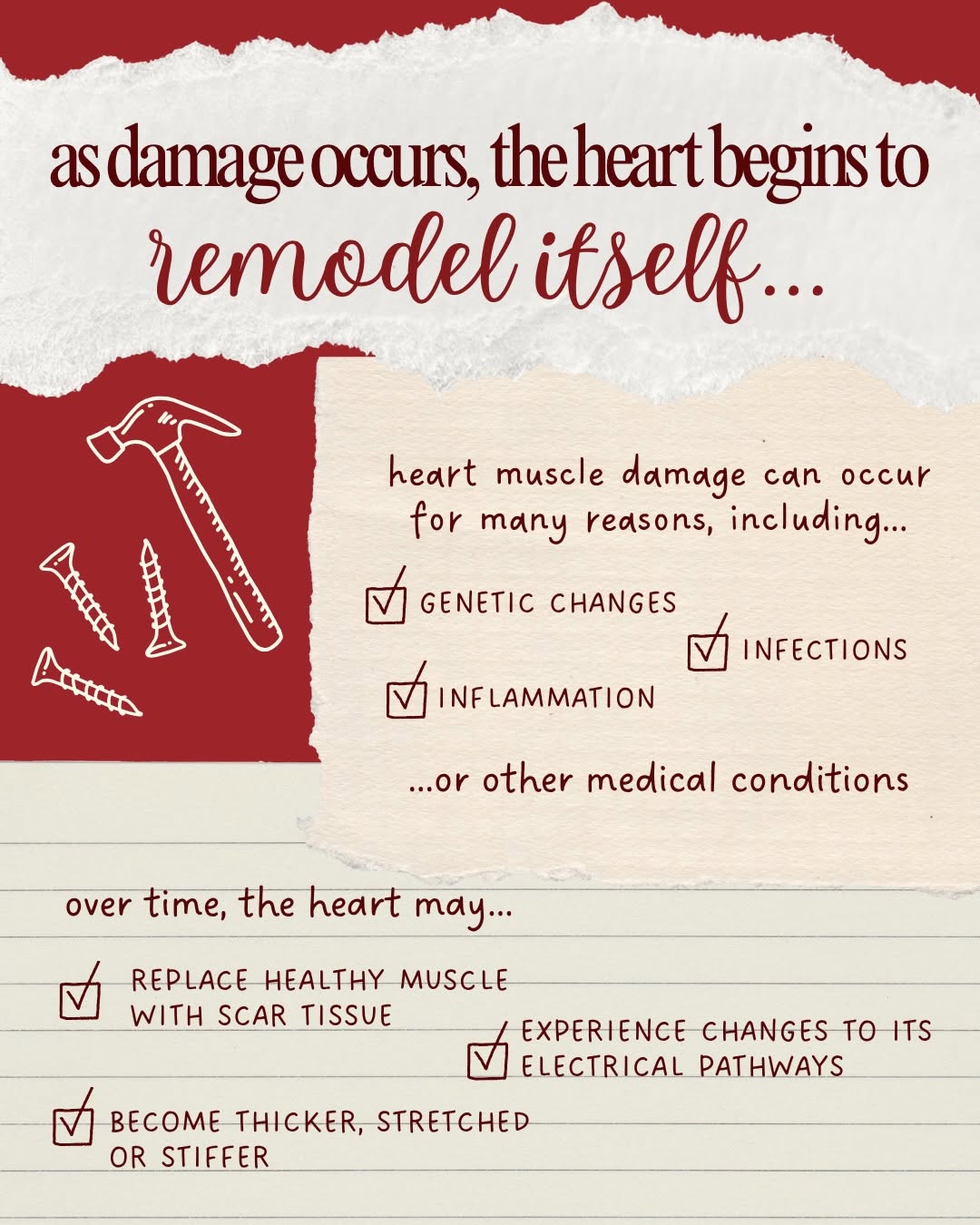
Depending on the type, the heart muscle may become:
- Thicker than normal
- Stretched and enlarged
- Stiff or less flexible
- Replaced with scar or fatty tissue
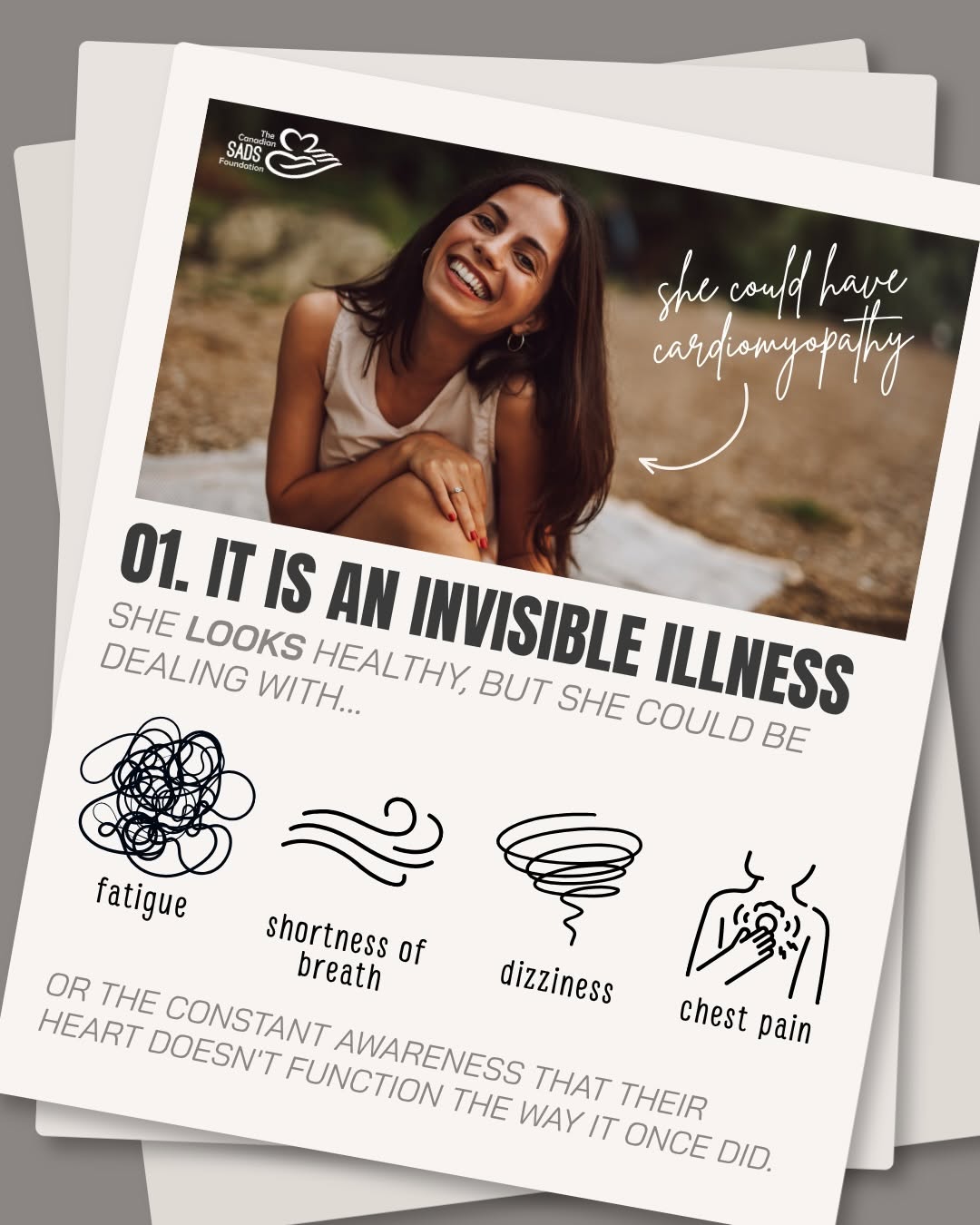
Some people have few or no symptoms, while others may experience:
- Shortness of breath
- Chest pain
- Fatigue
- Dizziness or fainting
- Heart palpitations (feeling like your heart is racing, fluttering, or skipping beats)
Types of Cardiomyopathy
Hypertrophic Cardiomyopathy
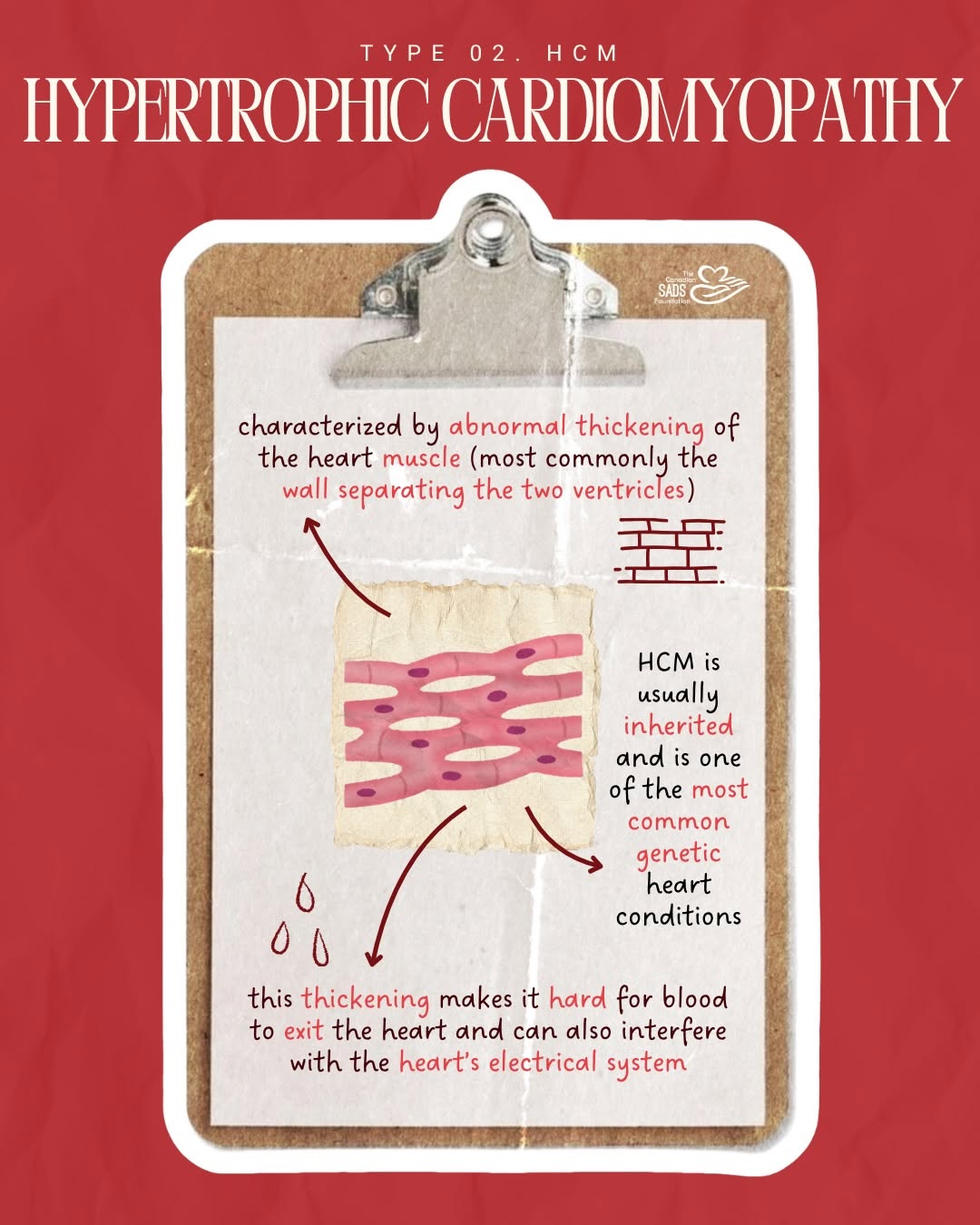
Hypertrophic cardiomyopathy (HCM) is the most common inherited heart muscle condition. It occurs when the heart muscle becomes abnormally thick (hypertrophied), most often in the wall of the left ventricle, the heart’s main pumping chamber.
Dilated Cardiomyopathy
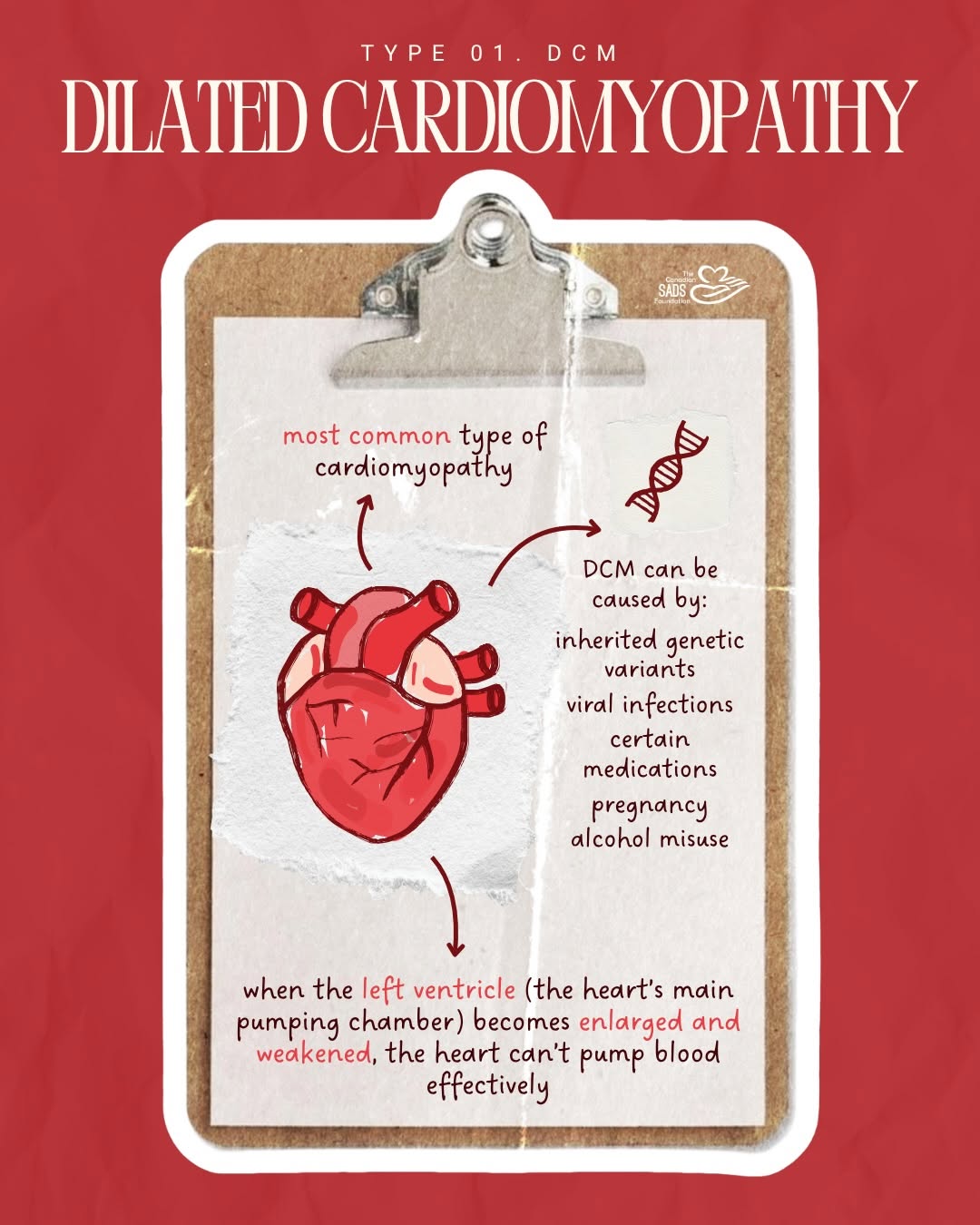
Dilated cardiomyopathy (DCM) is a condition that causes the heart muscle to become stretched, enlarged, and weaker. It most often affects the left ventricle. Over time, this can lead to heart failure, abnormal heart rhythms (arrhythmias), or other complications.
Arrhythmogenic Cardiomyopathy
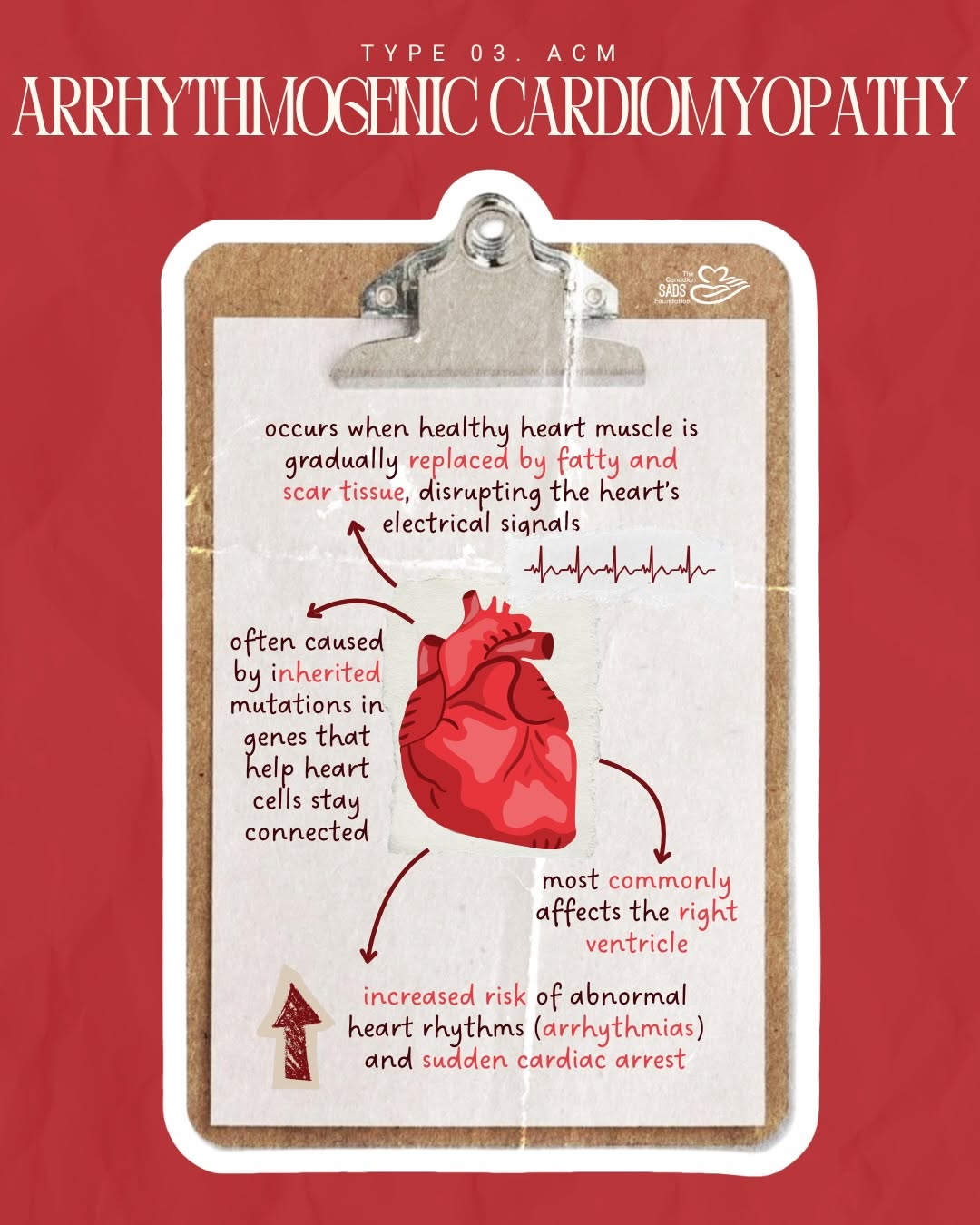
In ARVC, healthy heart muscle in the right ventricle is gradually replaced by fatty and scar tissue. These changes can interfere with the heart’s electrical signals, increasing the risk of abnormal heart rhythms (arrhythmias).
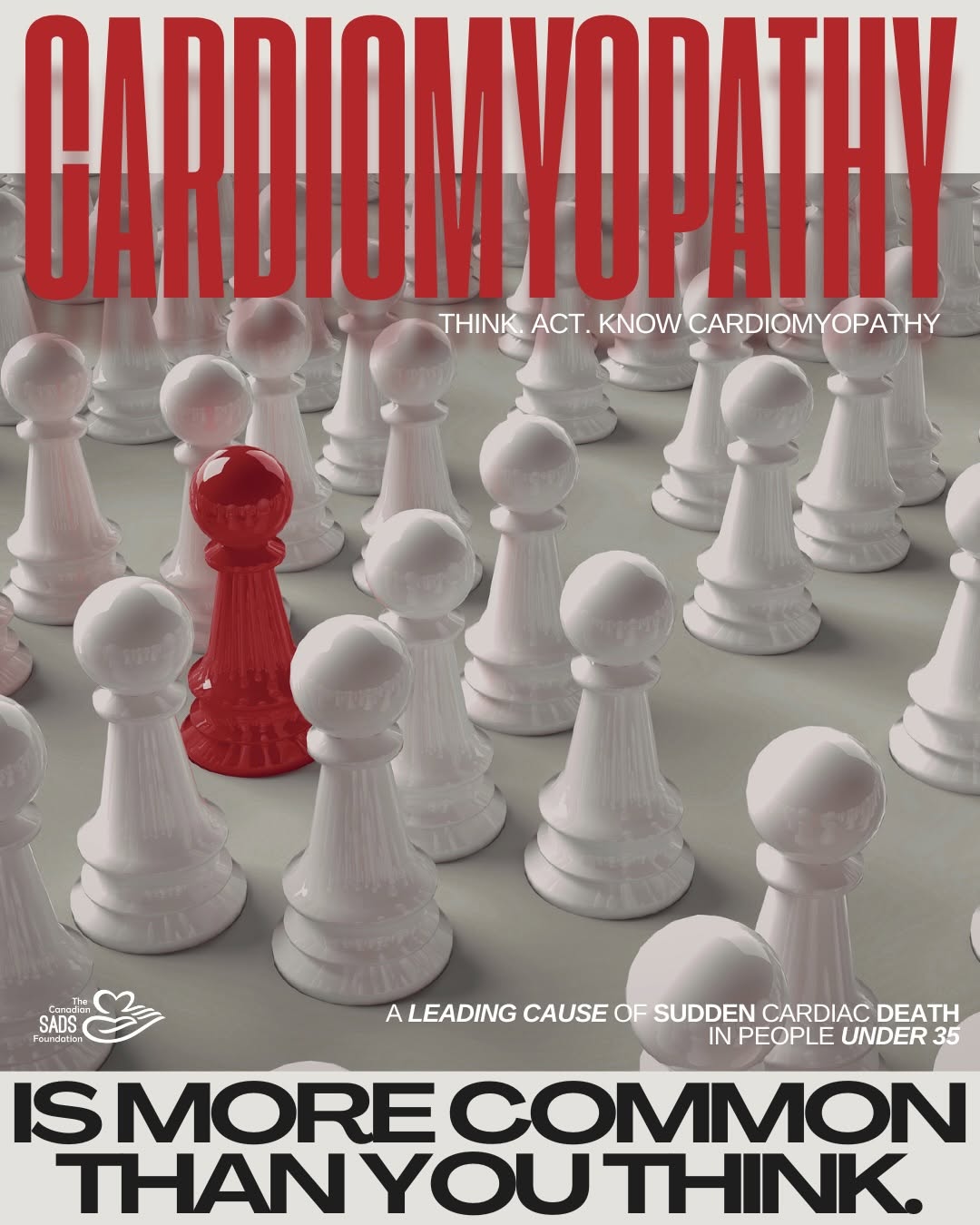
Think. Act. Know. Cardiomyopathy Campaign
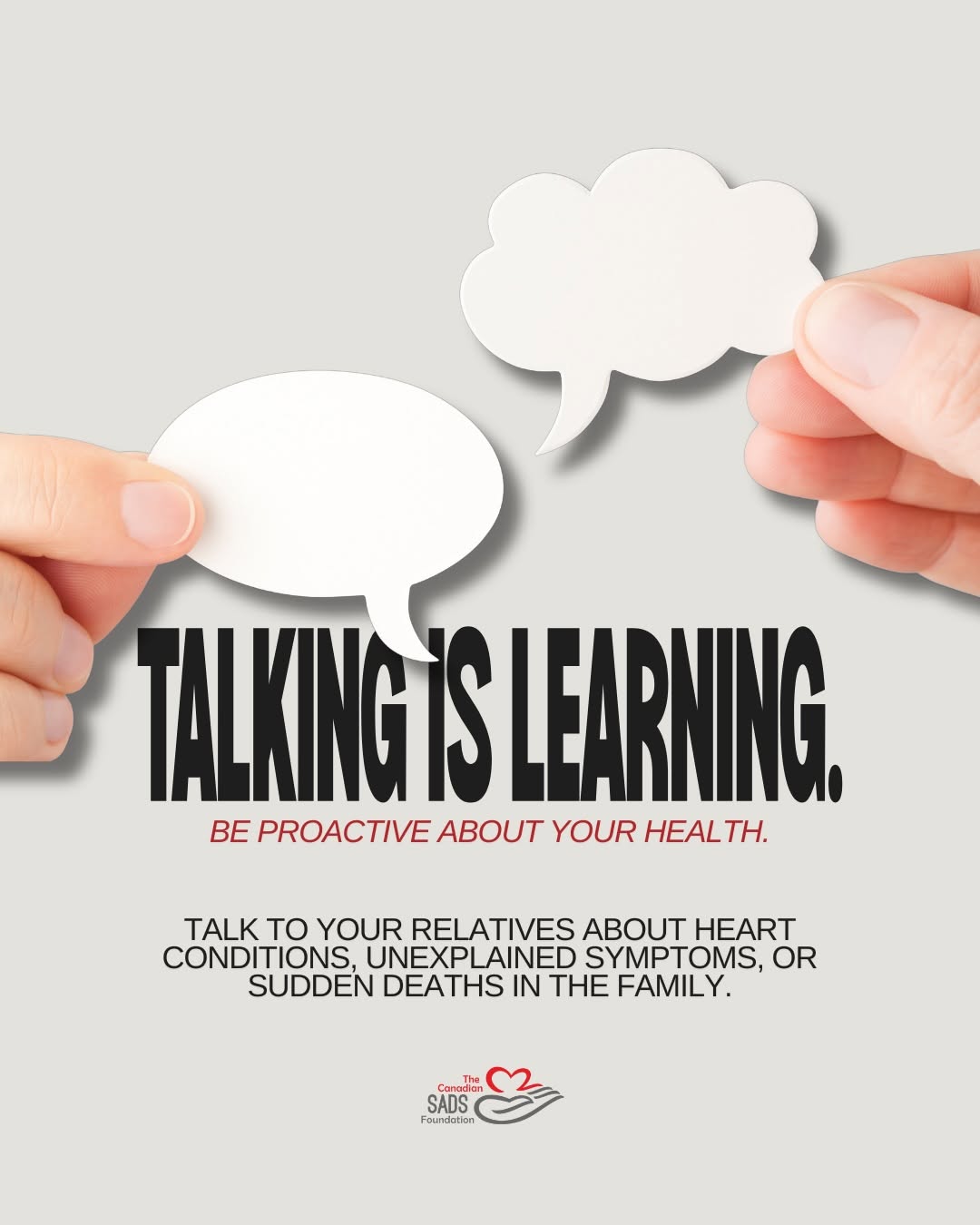
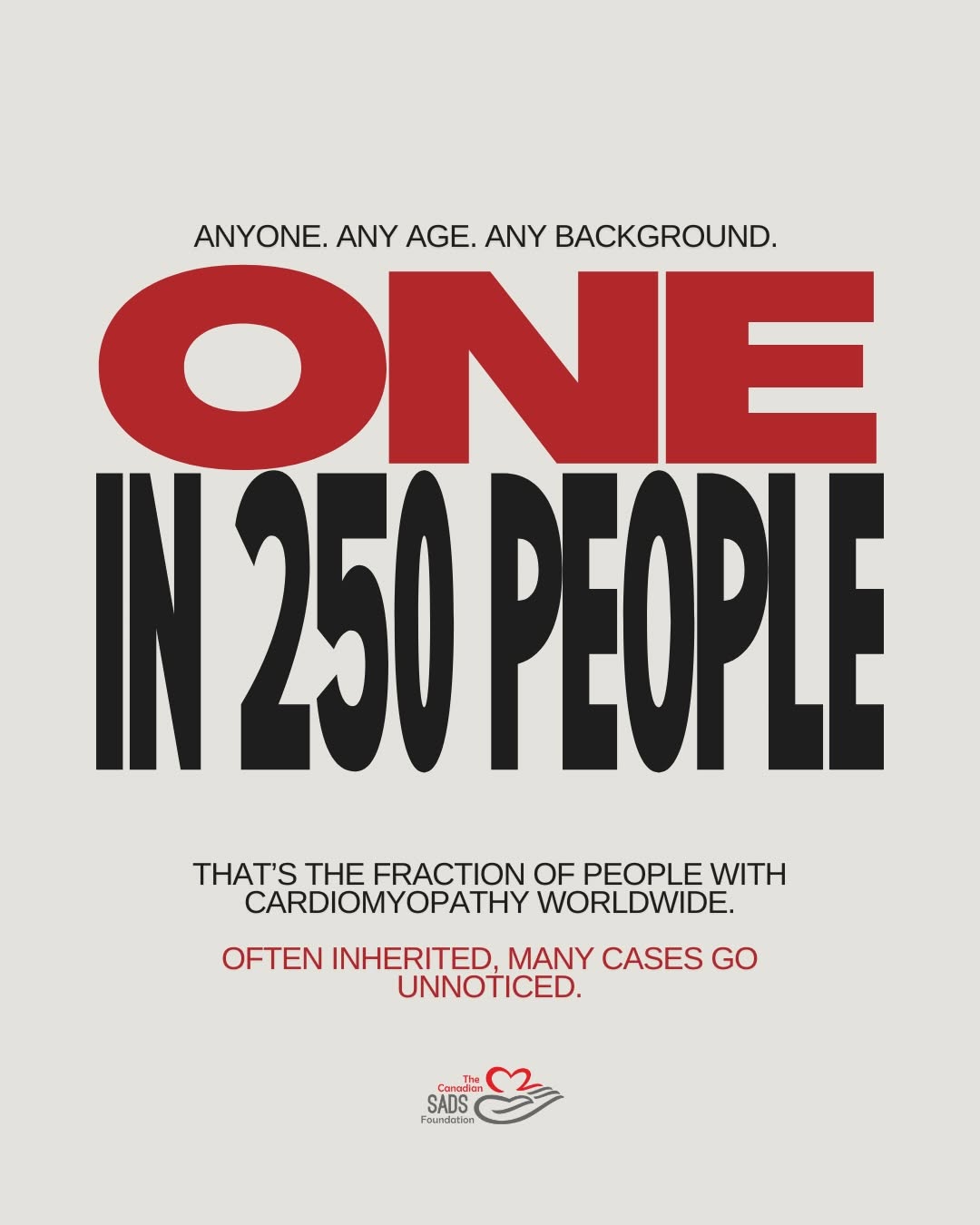
Think. Act. Know. Cardiomyopathy is a two-part awareness campaign created by the Canadian SADS Foundation to increase understanding of inherited cardiomyopathies through both patient experiences and evidence-based medical education.
Throughout June, the campaign highlighted the patient perspective, sharing real stories from individuals and families living with cardiomyopathy. These stories explored the journey to diagnosis, the emotional and physical impact of living with the condition, navigating daily life, and the importance of support, advocacy, and community.
In July, the campaign shifted to the medical perspective, providing educational resources developed with healthcare and research experts. Topics included the biology and genetics of cardiomyopathy, the different forms of the disease, how diagnoses and treatment plans are developed, and the role of clinical trials and emerging research in improving patient care.
By combining personal experiences with trusted medical information, Think. Act. Know. Cardiomyopathy empowers individuals, families, and healthcare professionals with the knowledge needed to recognize cardiomyopathy, understand its complexity, and make informed decisions about care and research opportunities.
All posts can be found on our Facebook, Instagram, YouTube and TikTok.
June: Patient Perspective Month
The first month of the campaign focused on the voices of people living with cardiomyopathy. Rather than beginning with the science, we began with the human experience, recognizing that every diagnosis comes with a unique story.
Each week explored a different aspect of the patient journey, from recognizing early symptoms and receiving a diagnosis, to understanding how cardiomyopathy affects everyday life, sharing lived experiences, and finding strength through advocacy and community. Together, these weekly themes highlighted the challenges, resilience, and hope that define life with cardiomyopathy while reminding patients and families that they are not alone.
Week 1:
Introduction to Cardiomyopathy
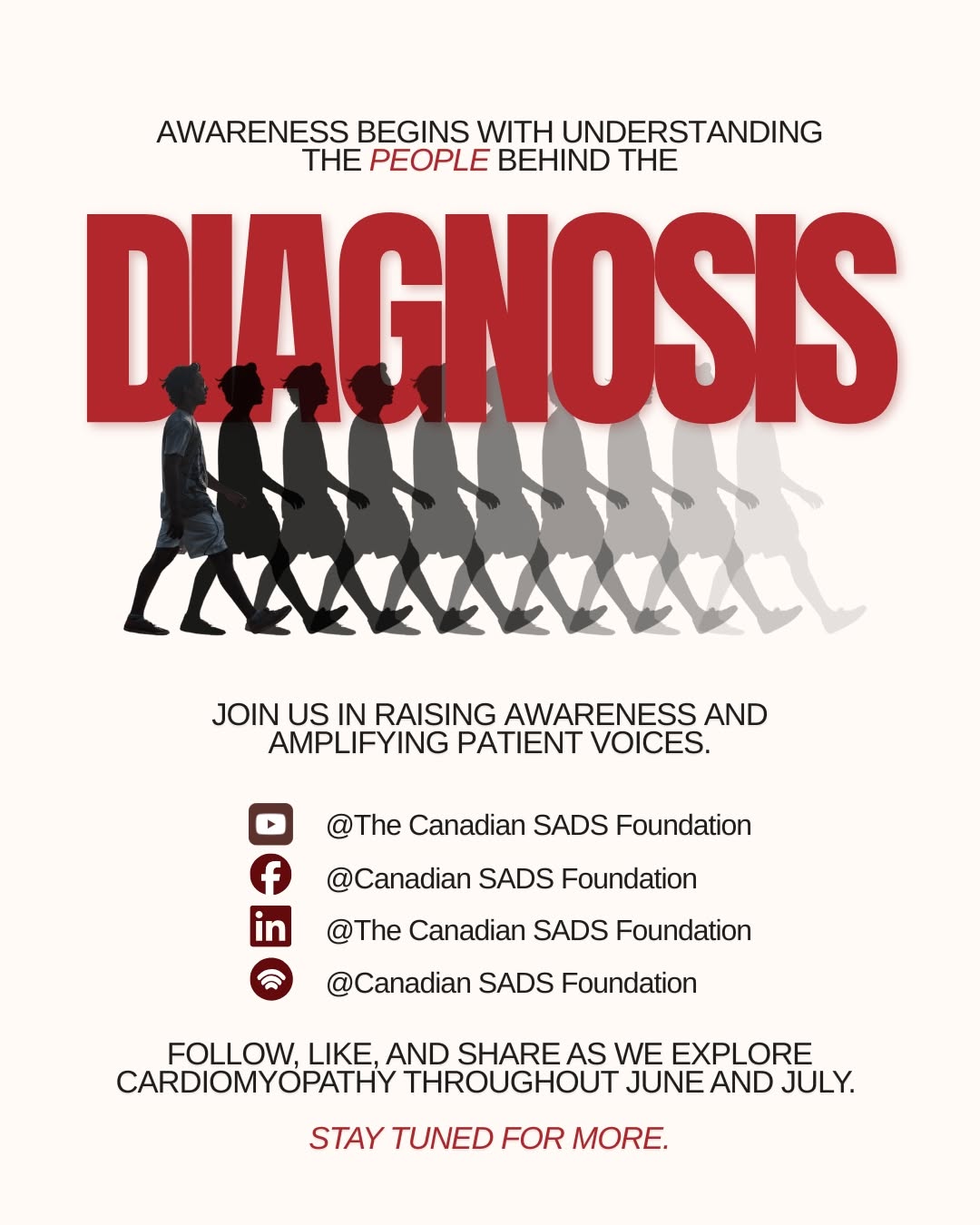
Week 2:
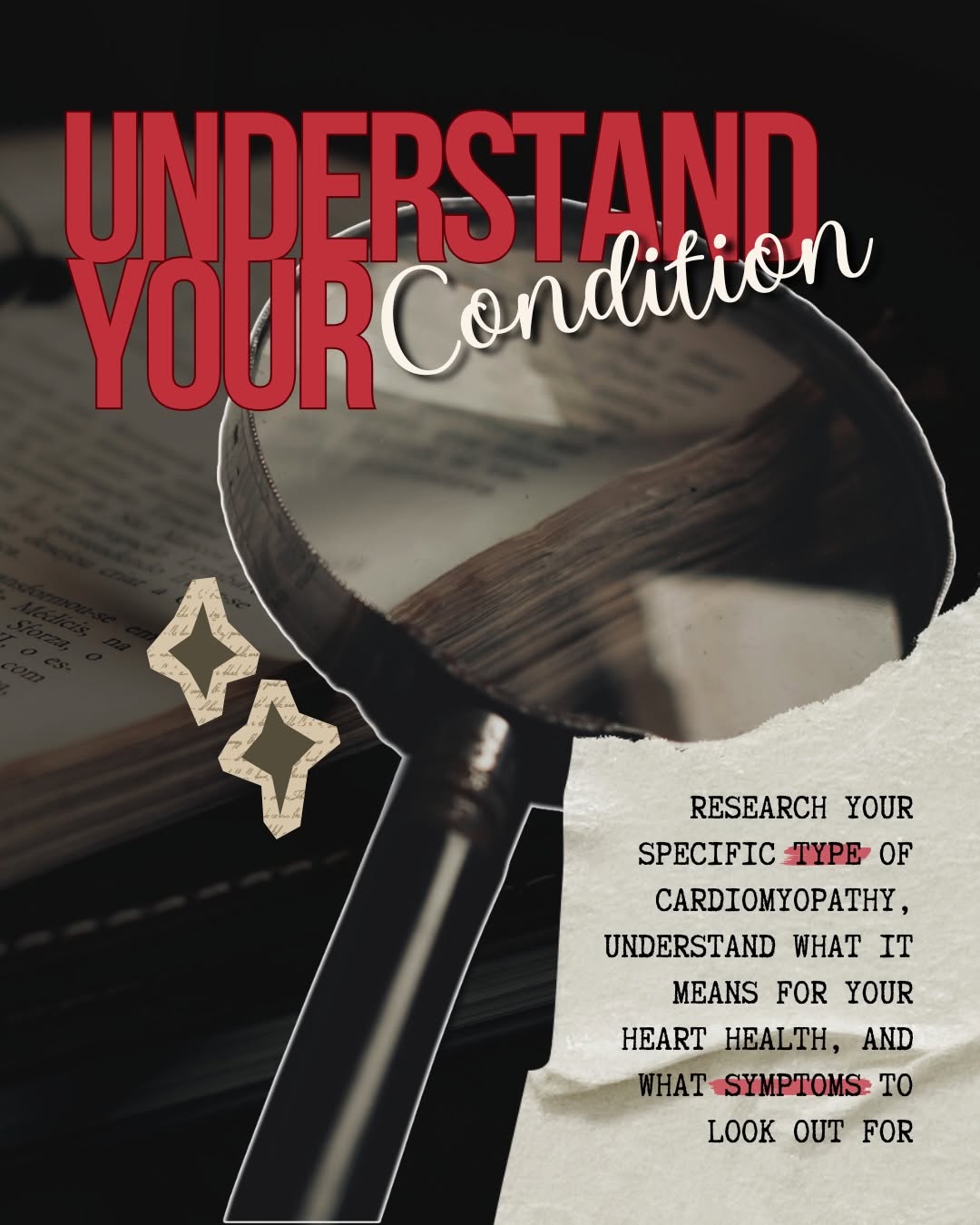
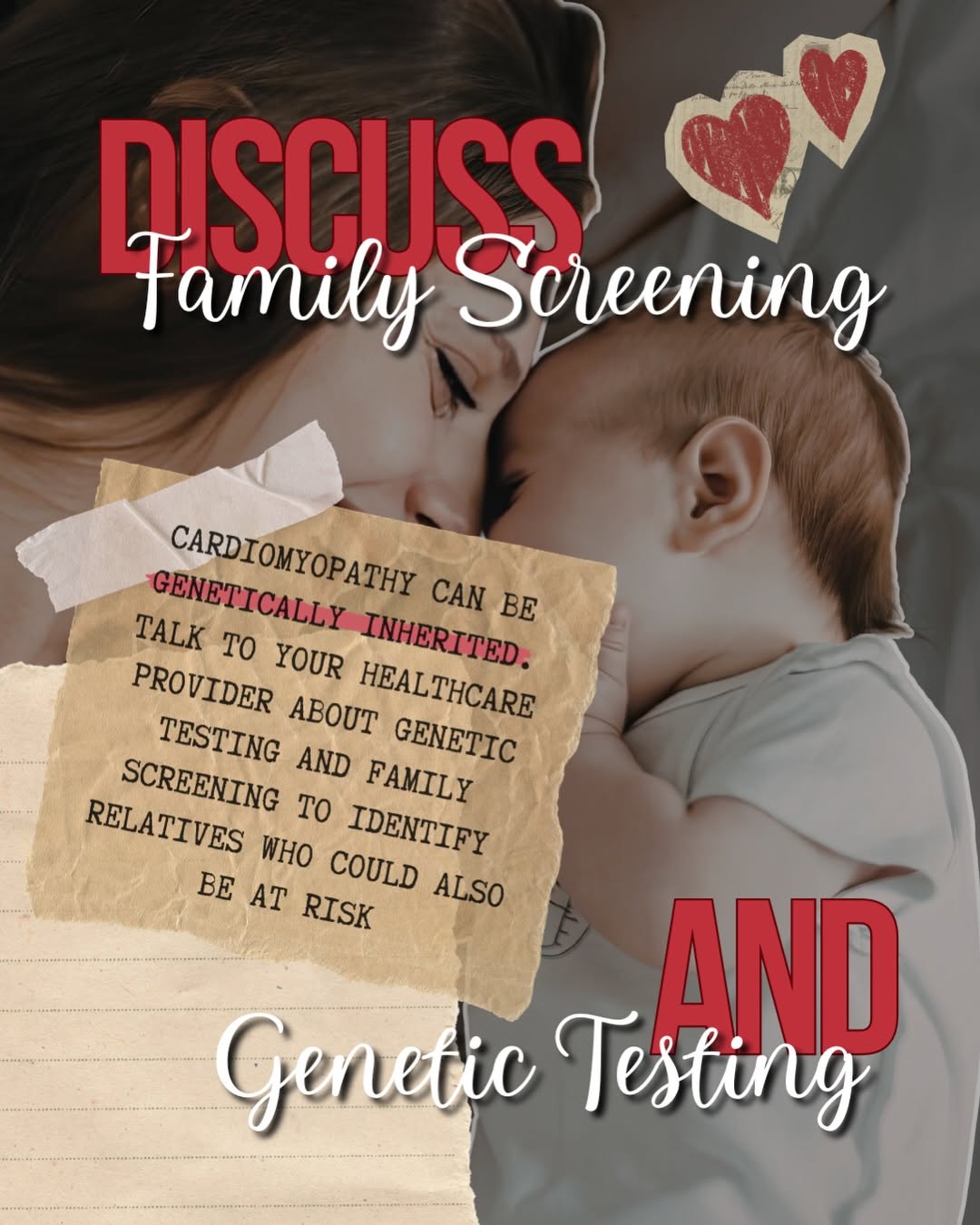
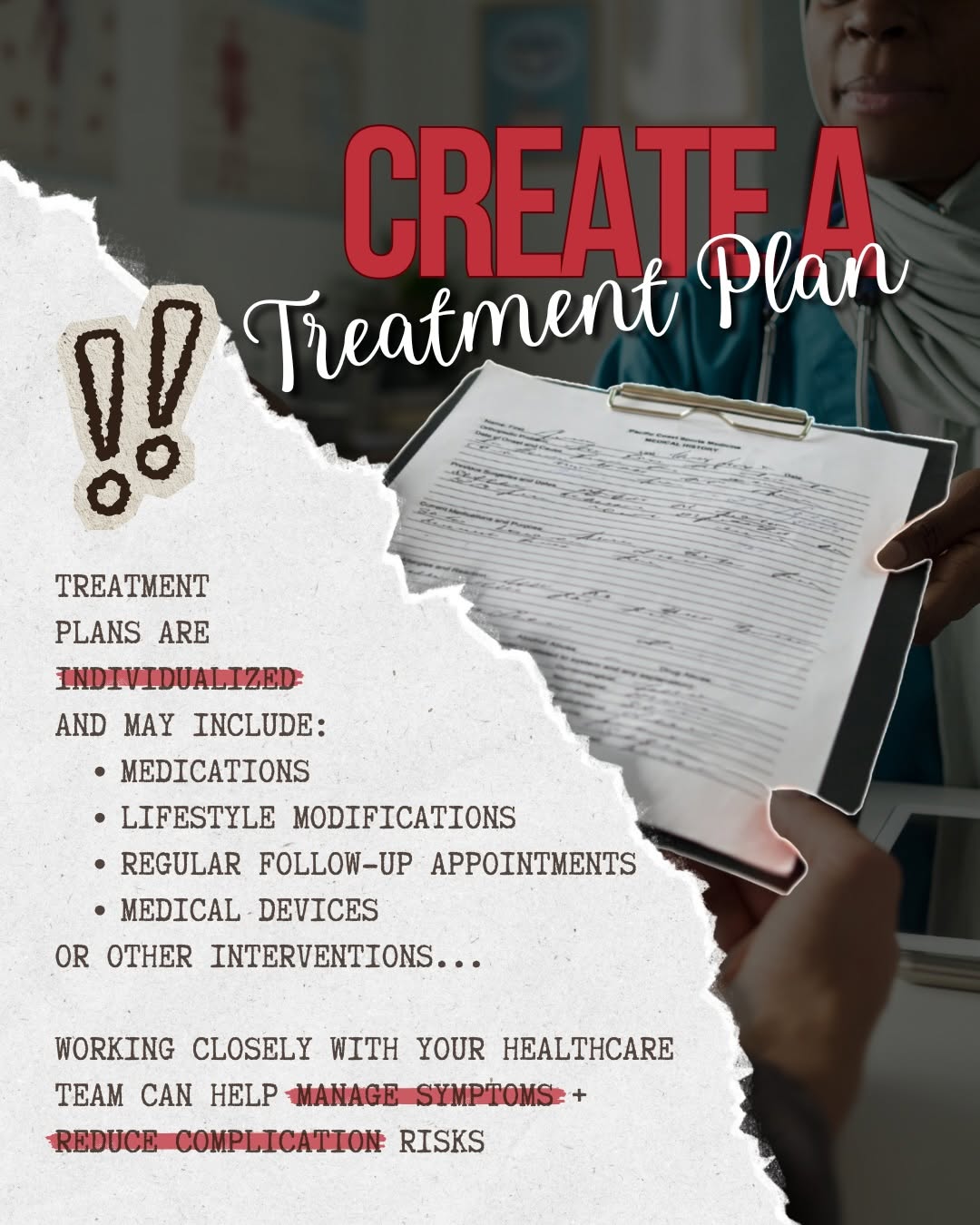
Cardiomyopathy Diagnosis
Week 3:
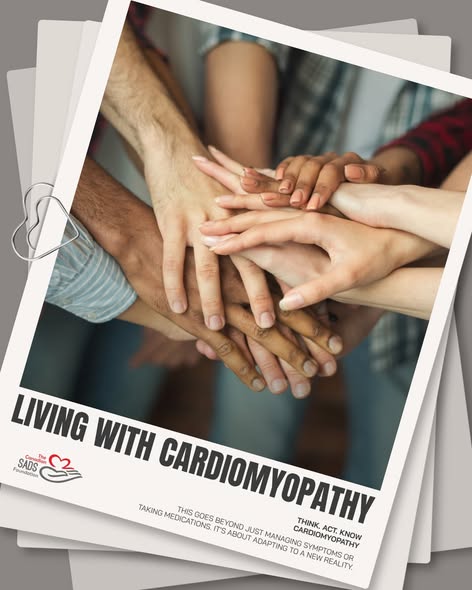
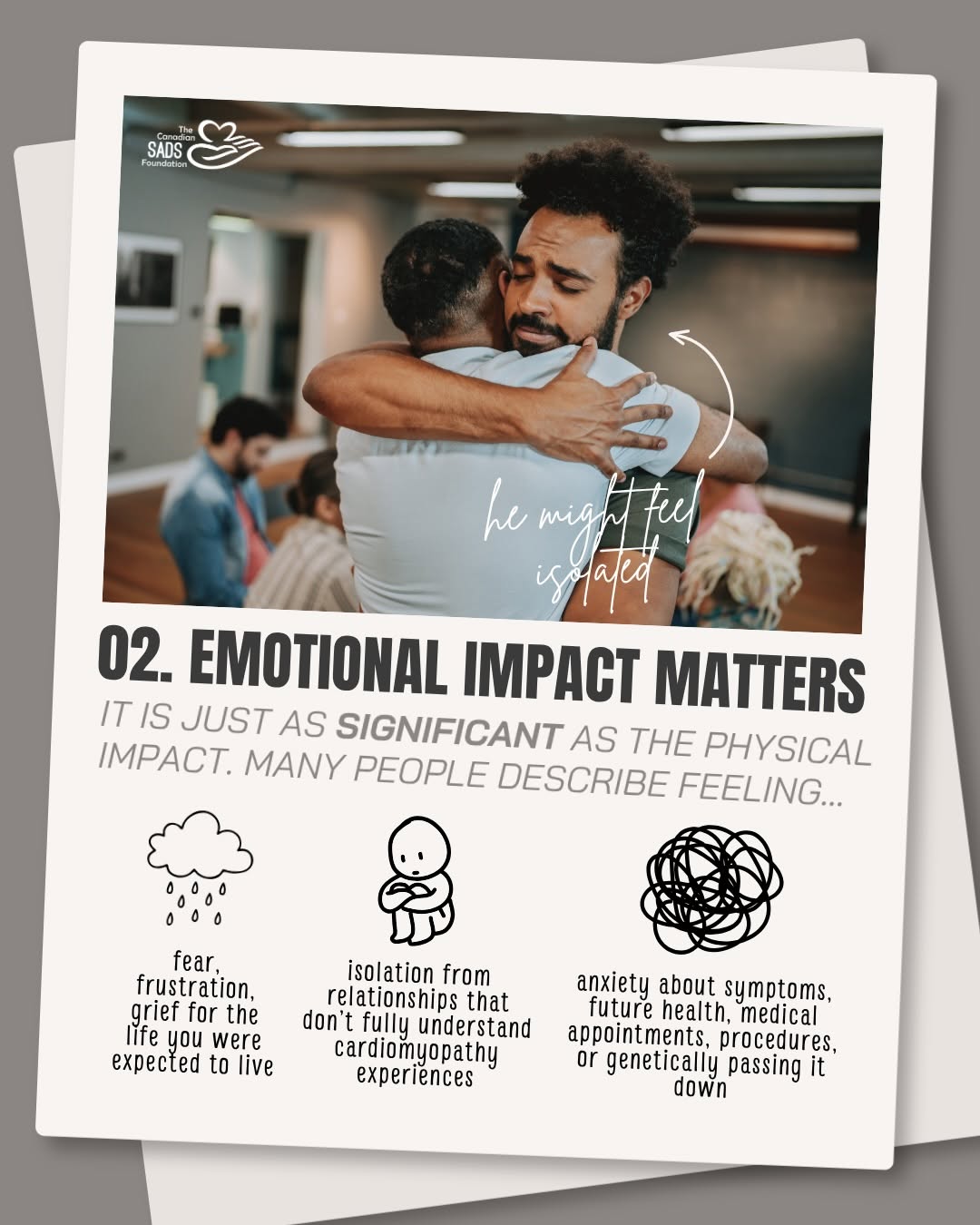
Living With Cardiomyopathy

Week 4:
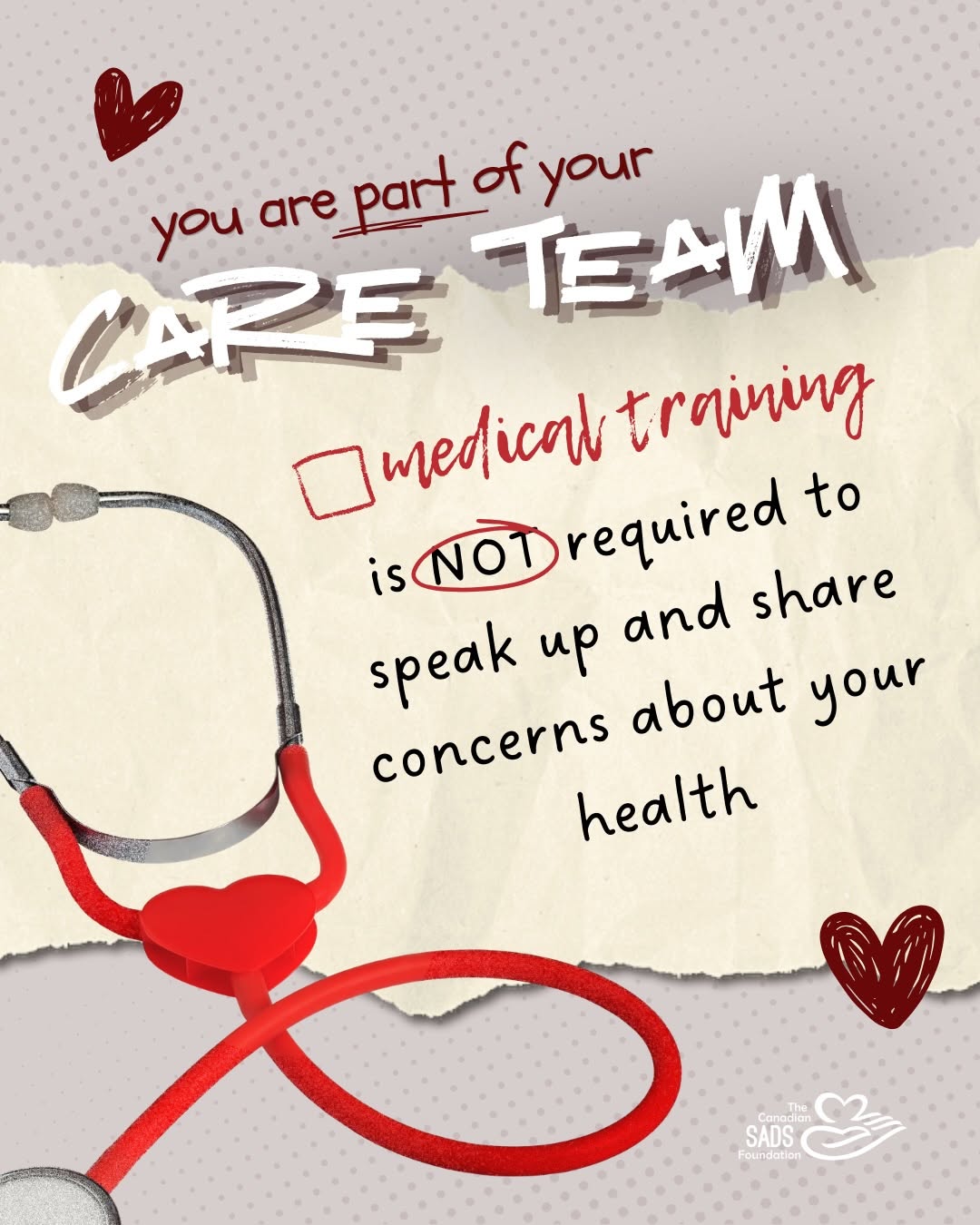
Cardiomyopathy Advocacy

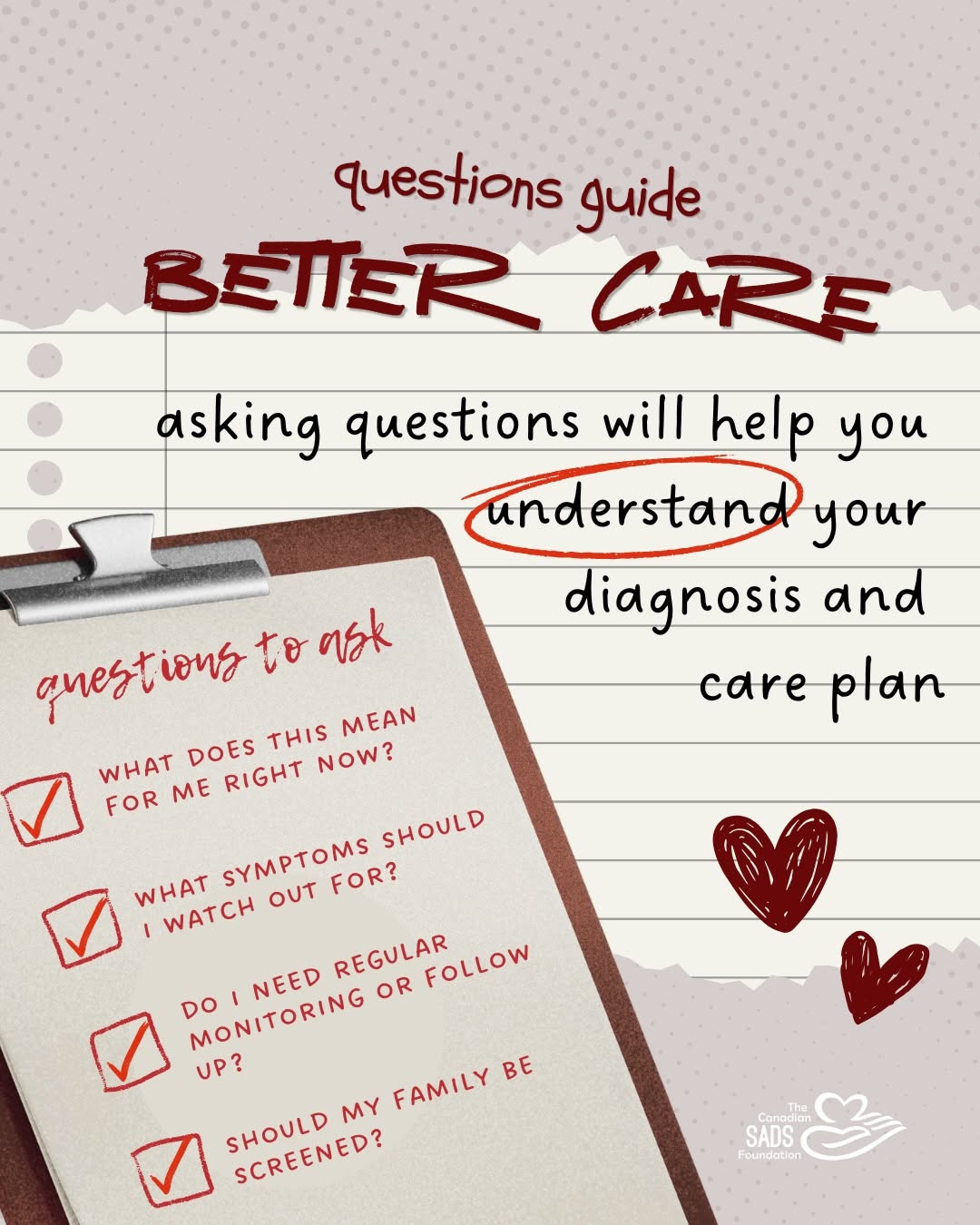
Patient Stories
Throughout June, we featured a series of interviews with individuals living with different forms of cardiomyopathy, giving members of the community an opportunity to share their personal experiences in their own words. These conversations explored topics such as the journey to diagnosis, the realities of living with a heart condition, the impact on family and daily life, and the hope that comes from advocacy, research, and connection with others.
To make these stories as accessible as possible, each interview was shared as both a full-length video for those looking to dive deeper and a collection of short-form clips highlighting key moments and takeaways across our social media channels. By amplifying authentic patient voices, these interviews helped foster understanding, reduce feelings of isolation, and remind others facing a similar diagnosis that they are not alone.
To watch the short-form videos, please use the buttons below:
July: Medical Perspective Month
Building on the stories shared in June, the second month shifted to the science behind cardiomyopathy. Through expert-informed educational content, the campaign provided a deeper understanding of the condition and the research shaping its future.
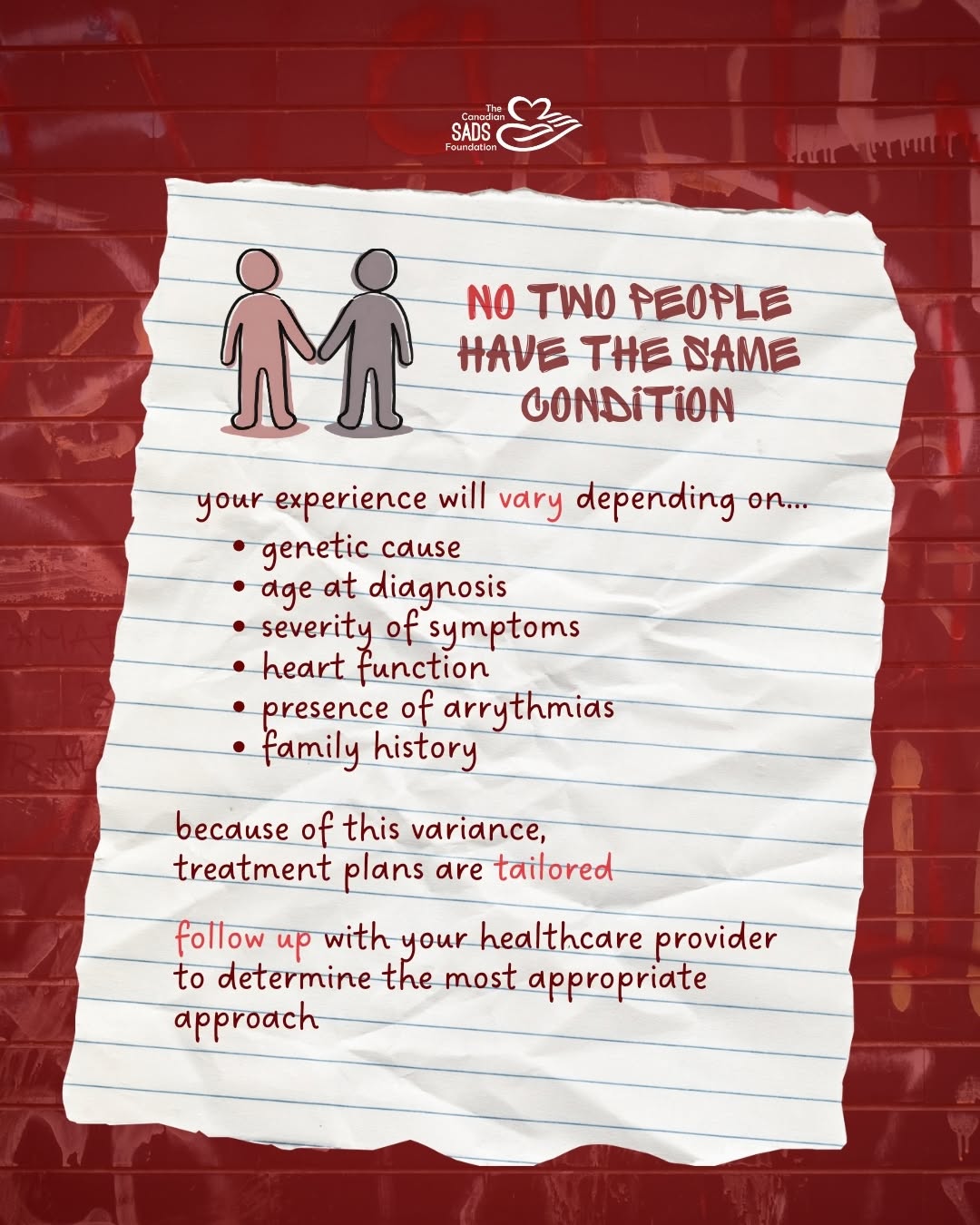
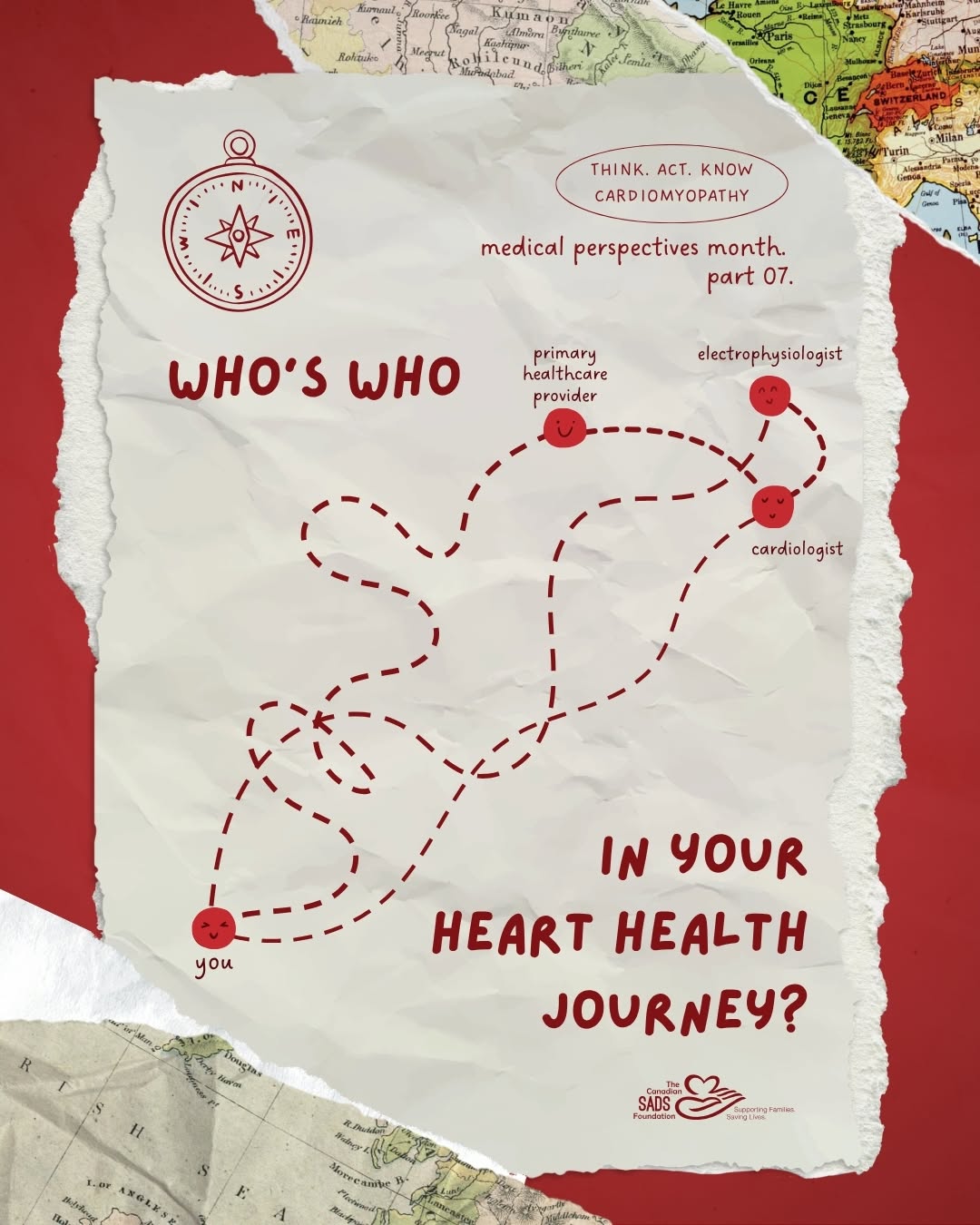
Each week focused on a key medical topic, beginning with the biology and genetics of cardiomyopathy, followed by the different forms of the disease and why every diagnosis is unique. The campaign then explored how cardiomyopathy is diagnosed, monitored, and managed, before concluding with the latest advances in clinical research, gene therapy, and opportunities for research participation. By breaking complex medical concepts into weekly themes, the campaign made trusted, evidence-based information more accessible to patients, families, and caregivers.
Week 1:
Genetics and Biology
Week 2:
Types and Variability
Week 3:
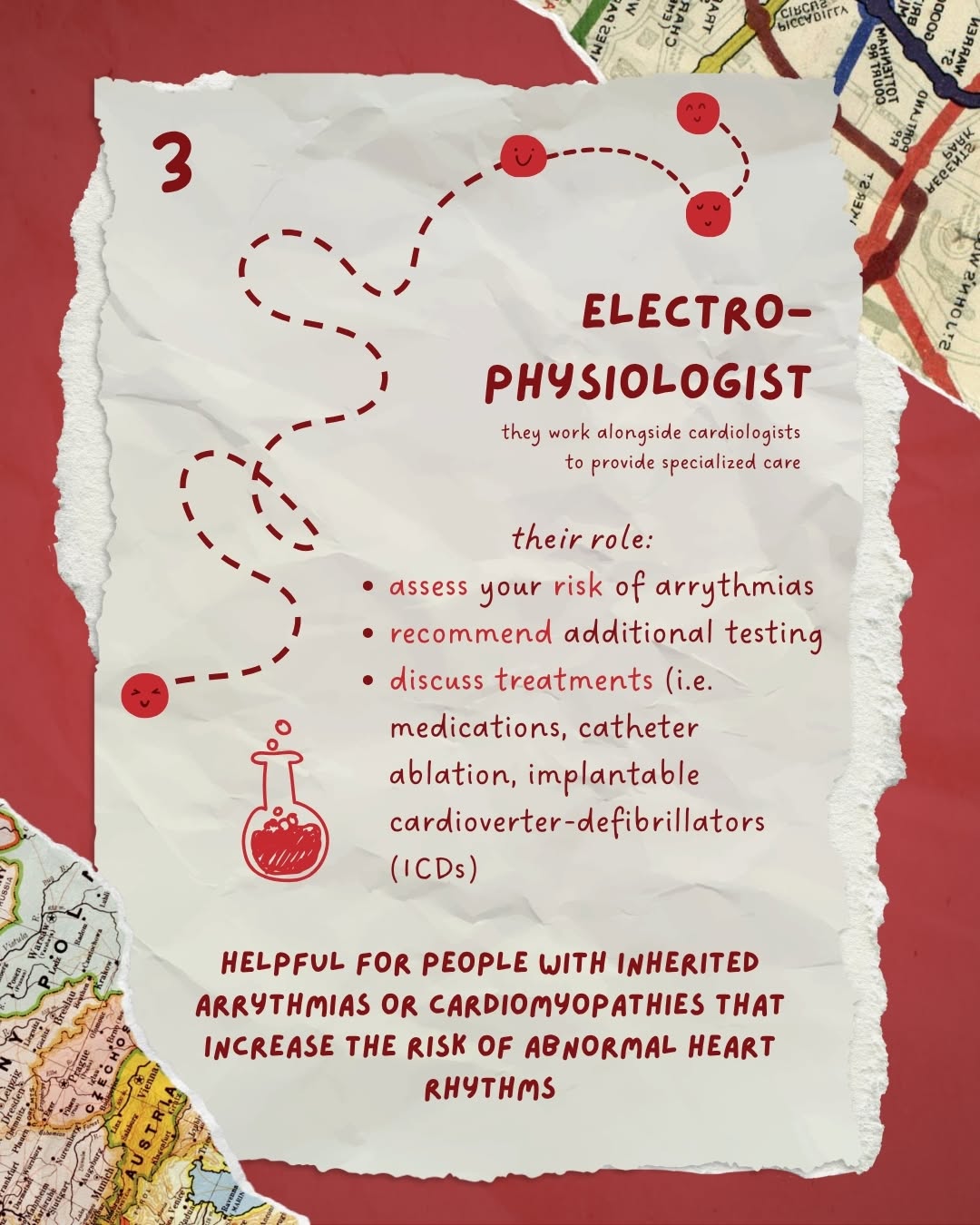
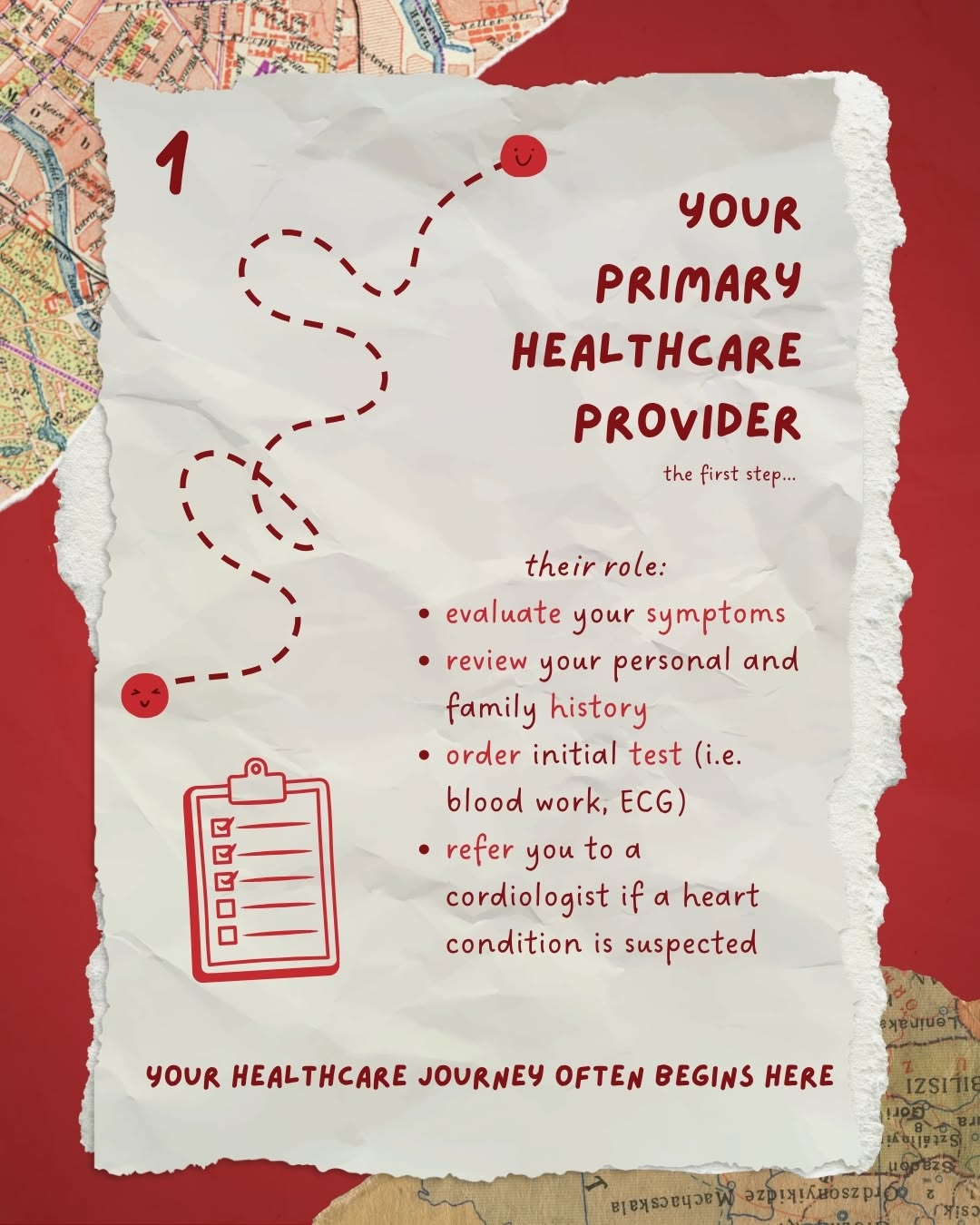
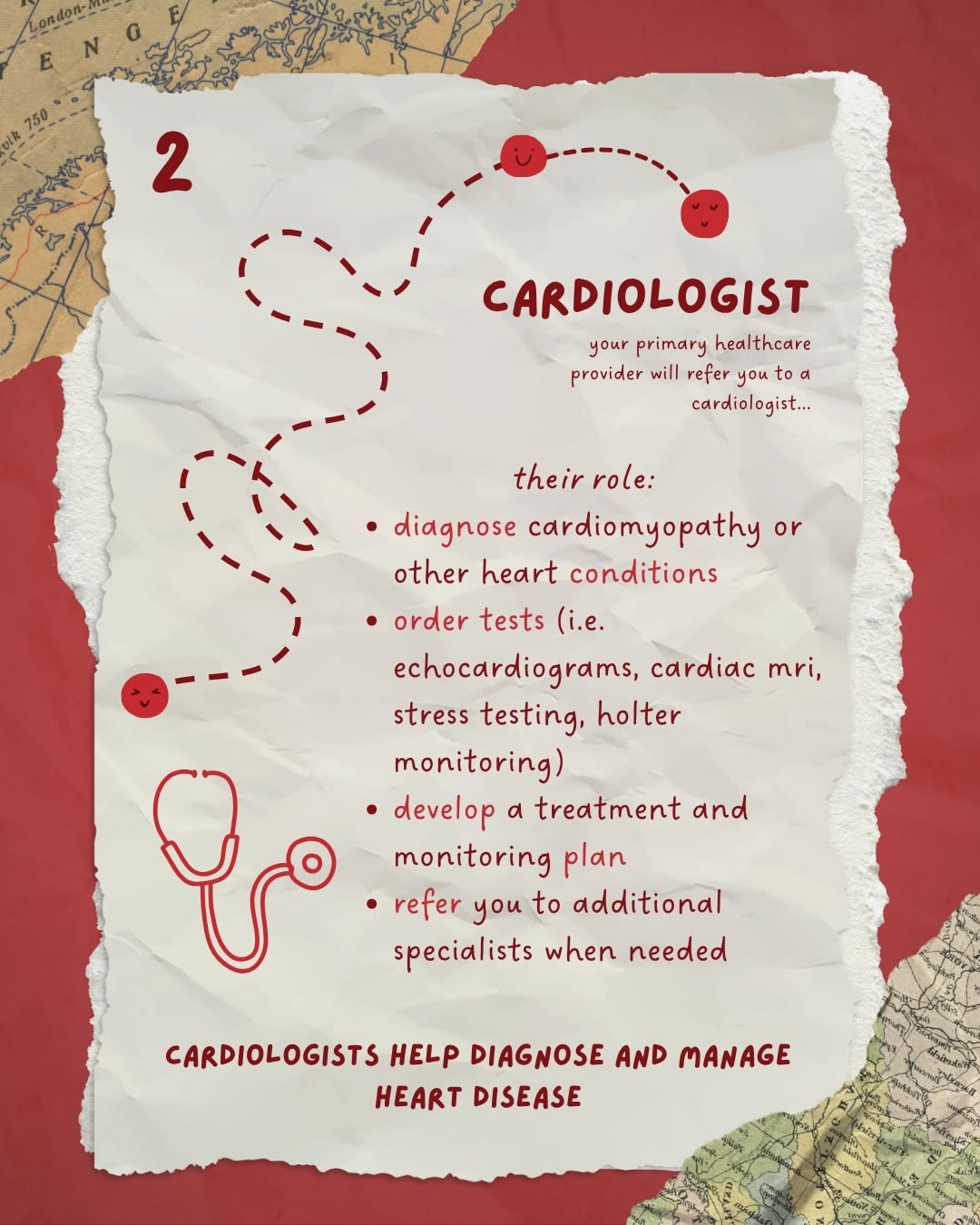
Clinical Management
Week 4:
Clinical Trials and Research
Research & Clinical Trial Updates
Throughout July, the campaign featured a series of educational videos designed to build on the patient stories shared in June by exploring the science behind cardiomyopathy. Through both long-form and short-form content, healthcare professionals and researchers broke down complex topics such as genetics, disease variability, diagnosis, treatment, and emerging research into accessible, easy-to-understand information for patients and families. The month's cornerstone event was a live educational webinar, Foundations of Gene Therapy, Clinical Trials, and Updates on Tenaya's ARVC and HCM Programs, featuring experts from Tenaya Therapeutics. The livestream provided an in-depth look at the fundamentals of gene therapy, the role of clinical trials in advancing treatment, and the latest updates on research programs for ARVC and HCM. Together, these educational resources empowered the community with trusted, evidence-based information while highlighting the exciting progress being made in cardiomyopathy research and the future of precision medicine.
To watch the short-form videos, please use the buttons below: