
Arrhythmogenic Right Ventricular Cardiomyopathy (ARVC)
What is Arrhythmogenic Right Ventricular Cardiomyopathy?
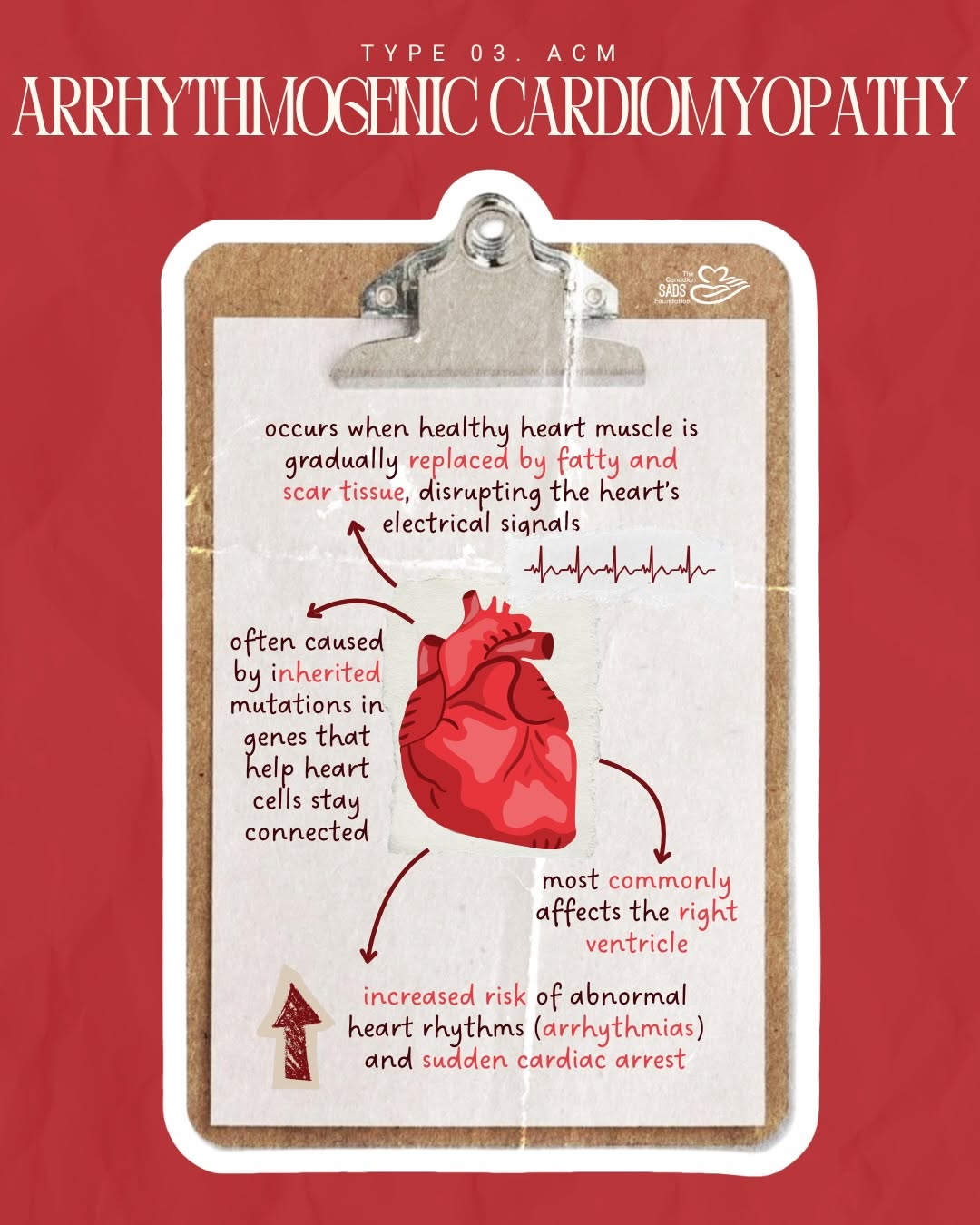
Arrhythmogenic right ventricular cardiomyopathy (ARVC) is a rare inherited heart muscle condition that affects the structure and electrical system of the heart.
In ARVC, healthy heart muscle in the right ventricle is gradually replaced by fatty and scar tissue. These changes can interfere with the heart's electrical signals, increasing the risk of abnormal heart rhythms (arrhythmias).
Although ARVC was originally thought to only affect the right ventricle, researchers now understand that similar changes can sometimes affect the left ventricle as well. For this reason, the broader term arrhythmogenic cardiomyopathy (ACM) is increasingly used. However, ARVC remains the traditional name for this condition.
ARVC is a progressive condition, meaning changes in the heart can develop over time. Regular follow-up with a cardiologist is important to monitor the condition and reduce the risk of complications.
How Common is ARVC?
ARVC is considered a rare heart condition, affecting approximately 1 in 2,000 to 5,000 people.
Because symptoms may not appear early in the disease, some people with ARVC may remain undiagnosed. The condition is particularly important in young people because it is a recognized cause of sudden cardiac arrest in athletes and individuals under the age of 35.
Signs and Symptoms
Symptoms of ARVC can vary widely. Some people may have no symptoms, while others may experience warning signs related to abnormal heart rhythms.
Common symptoms include:
- Palpitations: A feeling that your heart is fluttering, skipping beats, or beating too fast.
- Syncope (Fainting): Unexplained fainting or seizures, especially during exercise or emotional stress, is a major warning sign.
- Dizziness and Fatigue: Feeling lightheaded, unusually tired, or short breath.
- Chest Pain: Discomfort in the chest area.
In more advanced cases, ARVC may cause symptoms of heart failure, including:
- Swelling in the legs, ankles, or abdomen
- Increasing shortness of breath
- Reduced ability to perform daily activities
Unexplained fainting, especially during physical activity, should always be assessed by a healthcare professional.
What Causes ARVC?
ARVC is usually caused by a genetic change (variant) affecting proteins that help heart muscle cells stay connected.
These proteins, called desmosomes, act like connections that hold heart muscle cells together. When these connections do not work properly, heart muscle cells can become damaged and replaced by scar and fatty tissue.
ARVC is typically inherited in an autosomal dominant pattern, meaning children of an affected parent have a 50% chance of inheriting the gene.
- PKP2: The most common genetic cause, found in one-third to one-half of the ACM population.
- DSP: The second most common gene; often associated with left-ventricular or biventricular involvement.
- Other Genes: Includes DSG2 (5–10%), DSC2 (2–5%), and rarer variants like JUP, TMEM43, and PLN.
- Gene-Elusive: In some cases, a person may have a clinical diagnosis of ACM but no currently identifiable genetic variant.
High-intensity endurance exercise can increase stress on the heart and may accelerate disease progression in people with ARVC.
How is ARVC Diagnosed?
Diagnosing ARVC can be challenging because there is no single test that confirms the condition. Doctors use a combination of medical history, family history, imaging, and heart rhythm tests to make a diagnosis. Because ARVC can be difficult to diagnose, specialists often use a combination of findings known as the Task Force Criteria to help confirm the diagnosis.
Your healthcare provider may recommend:
Electrocardiogram (ECG): Records the heart's electrical activity and looks for changes associated with ARVC.
Echocardiogram (Echo): Uses ultrasound to evaluate the structure and pumping function of the heart.
Cardiac MRI: Provides detailed images of the heart and can identify changes such as scarring or replacement of heart muscle with fatty tissue.
Holter or event monitor: A wearable device that records heart rhythms over hours or days to detect abnormal rhythms.
Exercise stress test: Monitors the heart's rhythm during physical activity.
Genetic testing: Helps identify disease-causing genetic variants and determine whether family members may also be at risk.
Treatment and Management
Although there is currently no cure for ARVC, treatment can significantly reduce the risk of dangerous arrhythmias and help people live active, fulfilling lives.
Treatment depends on your symptoms, heart function, and risk of sudden cardiac arrest.
Medications
Medications may be used to help control abnormal heart rhythms and reduce stress on the heart.
These may include:
- Beta-blockers (such as metoprolol or nadolol)
- Anti-arrhythmic medications, when needed
Your cardiologist will determine the most appropriate treatment plan for you.
Implantable Cardioverter-Defibrilator (ICD)
Some people with ARVC have an increased risk of life-threatening arrhythmias and may benefit from an implantable cardioverter-defibrillator (ICD).
An ICD is a small device placed under the skin that:
- Continuously monitors the heart rhythm
- Detects dangerous rhythms
- Delivers a life-saving shock when needed
Catheter Ablation
Some people with ARVC experience frequent abnormal heart rhythms despite medication.
Catheter ablation is a minimally invasive procedure that targets areas of heart tissue responsible for triggering abnormal electrical signals.
Living With ARVC
A diagnosis of ARVC can feel overwhelming, but with appropriate care and monitoring, many people continue to live full and meaningful lives.
Managing ARVC may include:
- Attending regular cardiology appointments
- Taking medications as prescribed
- Monitoring for new or changing symptoms
- Understanding when to seek medical attention
- Discussing exercise plans with your healthcare team
- Learning about your family's risk
Some people choose to wear a medical alert bracelet and encourage family members to learn CPR so they are prepared in an emergency.
Exercise and Lifestyle Recommendations
Exercise recommendations are an important part of managing ARVC.
Unlike many other heart conditions, ARVC has specific exercise considerations because intense exercise can increase stress on the heart and may accelerate disease progression.
People with ARVC are generally advised to:
- Avoid competitive sports and high-intensity endurance exercise
- Follow an exercise plan developed with their healthcare team
- Choose lower-intensity activities when approved by their cardiologist
Your activity recommendations should always be personalized based on your diagnosis, symptoms, and risk level.
Additional Resources
Please note: The Canadian SADS Foundation provides links to external websites for informational purposes only. While we regard these as reputable sources of information, please be aware that The Canadian SADS Foundation is not responsible for the accuracy, legality, or content of the external site or for that of subsequent links.
Hear From Patients Living With ARVC
Mike's Story
Read about Mike's journey with ARVC.
Kristina's story
Read about Kristina's journey with ARVC.